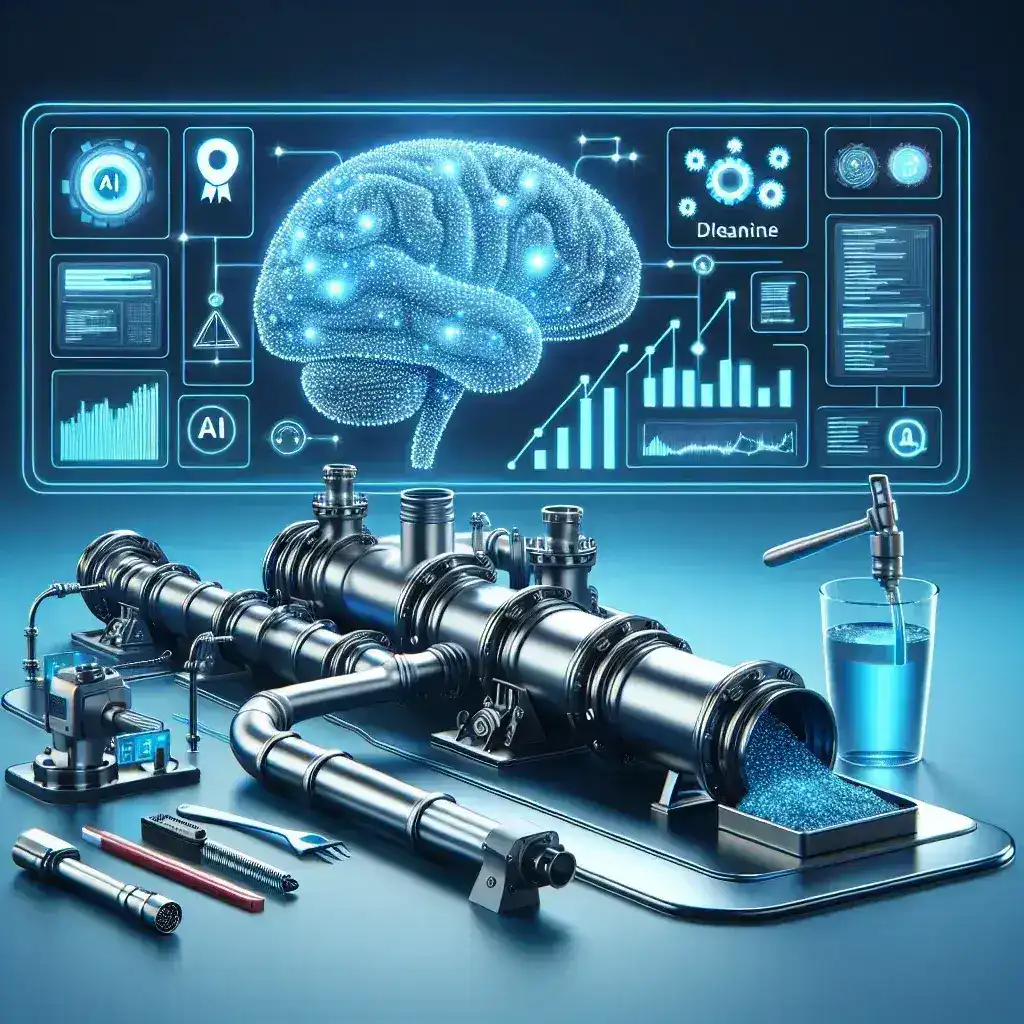
The Evolution of Data Pipeline Architecture
In today’s data-driven landscape, organizations are generating and collecting information at unprecedented rates. Traditional Extract, Transform, Load (ETL) processes, while foundational to data management, are increasingly challenged by the volume, velocity, and variety of modern data streams. The emergence of AI-powered ETL tools represents a paradigm shift that’s transforming how businesses approach data integration and pipeline construction.
The traditional ETL methodology, developed decades ago, relied heavily on manual configuration and rule-based transformations. Data engineers would spend countless hours writing complex scripts, mapping data schemas, and troubleshooting pipeline failures. This approach, while functional, often created bottlenecks that hindered an organization’s ability to derive timely insights from their data assets.
Understanding AI-Enhanced Data Pipeline Components
Modern AI-powered ETL tools introduce intelligent automation across multiple pipeline stages. These sophisticated systems leverage machine learning algorithms to automatically detect data patterns, suggest optimal transformation rules, and predict potential pipeline failures before they occur. The integration of artificial intelligence fundamentally changes how data moves through organizational systems.
Intelligent Data Discovery and Profiling
AI-driven data discovery capabilities automatically scan and catalog data sources across enterprise environments. These tools can identify relationships between disparate datasets, detect data quality issues, and recommend appropriate transformation strategies. Machine learning models analyze historical data patterns to suggest the most efficient extraction methods and timing schedules.
Automated Schema Mapping and Transformation
One of the most time-consuming aspects of traditional ETL development is schema mapping. AI-powered tools can automatically detect similarities between source and target schemas, suggesting mappings based on column names, data types, and statistical distributions. Natural language processing capabilities enable these systems to understand semantic relationships between data elements, even when naming conventions differ significantly.
Key Advantages of AI-Powered ETL Implementation
Organizations implementing AI-enhanced data pipelines typically experience significant improvements in both operational efficiency and data quality. These benefits extend beyond simple automation, creating strategic advantages that impact business decision-making processes.
Reduced Development Time and Costs
AI-powered ETL tools can reduce pipeline development time by up to 70% compared to traditional methods. Automated code generation, intelligent error handling, and self-healing capabilities minimize the manual effort required for pipeline maintenance. This efficiency translates directly into cost savings and faster time-to-insight for critical business initiatives.
Enhanced Data Quality and Reliability
Machine learning algorithms continuously monitor data quality throughout the pipeline process. These systems can detect anomalies, identify data drift, and automatically apply corrective measures. Real-time quality assessment ensures that downstream analytics and reporting systems receive clean, consistent data that supports accurate decision-making.
Popular AI-Powered ETL Platforms and Tools
The market for intelligent data integration platforms has expanded rapidly, with both established vendors and innovative startups offering AI-enhanced capabilities. Understanding the landscape helps organizations select the most appropriate tools for their specific requirements.
Cloud-Native Solutions
Major cloud providers have integrated AI capabilities into their data integration services. Amazon Web Services offers AWS Glue with machine learning-powered data catalog and transformation suggestions. Microsoft Azure Data Factory incorporates intelligent mapping and monitoring features, while Google Cloud Dataflow provides automated optimization and scaling capabilities.
Enterprise Platforms
Traditional ETL vendors have evolved their offerings to include AI-powered features. Informatica PowerCenter now includes intelligent data discovery and automated lineage tracking. Talend has integrated machine learning models for data quality assessment and transformation recommendation. These platforms combine proven enterprise reliability with cutting-edge AI capabilities.
Implementation Best Practices and Strategies
Successfully implementing AI-powered data pipelines requires careful planning and adherence to proven methodologies. Organizations must balance the benefits of automation with the need for human oversight and control.
Gradual Migration Approach
Rather than attempting a complete overhaul of existing data infrastructure, successful organizations typically adopt a phased migration strategy. This approach allows teams to gain experience with AI-powered tools while maintaining operational stability. Starting with non-critical pipelines provides valuable learning opportunities without risking business-critical data flows.
Data Governance and Compliance Considerations
AI-powered ETL tools must operate within established data governance frameworks. Organizations need to ensure that automated processes comply with regulatory requirements such as GDPR, HIPAA, or industry-specific standards. Implementing robust audit trails and maintaining human oversight of AI-generated transformations helps maintain compliance while leveraging automation benefits.
Addressing Common Implementation Challenges
While AI-powered ETL tools offer significant advantages, organizations often encounter challenges during implementation. Understanding these potential obstacles helps teams prepare effective mitigation strategies.
Skills Gap and Training Requirements
The transition to AI-powered data pipelines often requires new skills and knowledge. Data engineers must understand machine learning concepts, while business users need training on new interfaces and capabilities. Investing in comprehensive training programs ensures teams can fully leverage advanced tool capabilities.
Integration with Legacy Systems
Many organizations operate hybrid environments that include both modern cloud platforms and legacy on-premises systems. AI-powered ETL tools must seamlessly integrate with existing infrastructure while providing pathways for future modernization. Careful evaluation of connectivity options and data format compatibility prevents integration challenges.
Future Trends and Emerging Technologies
The evolution of AI-powered data pipelines continues at a rapid pace, with emerging technologies promising even greater automation and intelligence capabilities. Understanding these trends helps organizations prepare for future opportunities and challenges.
Real-Time Stream Processing
The growing demand for real-time analytics is driving development of AI-powered stream processing capabilities. These systems can automatically adjust processing logic based on changing data patterns, ensuring optimal performance across varying workloads. Edge computing integration enables intelligent processing closer to data sources, reducing latency and bandwidth requirements.
Natural Language Pipeline Development
Emerging platforms are experimenting with natural language interfaces that allow business users to describe desired data transformations in plain English. AI systems translate these descriptions into executable pipeline code, democratizing data integration capabilities beyond traditional technical teams.
Measuring Success and ROI
Organizations implementing AI-powered ETL tools need clear metrics to evaluate success and demonstrate return on investment. Establishing baseline measurements before implementation enables accurate assessment of improvement.
Performance Metrics
Key performance indicators include pipeline development time, data processing speed, error rates, and maintenance overhead. AI-powered tools typically show significant improvements across all these metrics, with some organizations reporting 50-80% reductions in manual intervention requirements.
Business Impact Assessment
Beyond technical metrics, organizations should measure the business impact of improved data pipeline capabilities. Faster time-to-insight, improved data quality, and increased analyst productivity directly contribute to better business outcomes and competitive advantages.
Conclusion: Embracing the AI-Powered Data Future
The integration of artificial intelligence into ETL processes represents a fundamental shift in how organizations approach data integration and pipeline management. AI-powered tools offer unprecedented levels of automation, intelligence, and efficiency that enable businesses to extract maximum value from their data assets.
Success with AI-powered ETL implementation requires careful planning, appropriate tool selection, and commitment to ongoing learning and adaptation. Organizations that embrace these technologies while maintaining focus on data governance and quality will be best positioned to leverage data as a strategic competitive advantage.
As the technology continues to evolve, the gap between early adopters and traditional approaches will only widen. The time for organizations to begin their AI-powered data pipeline journey is now, ensuring they remain competitive in an increasingly data-driven business environment.
Leave a Reply