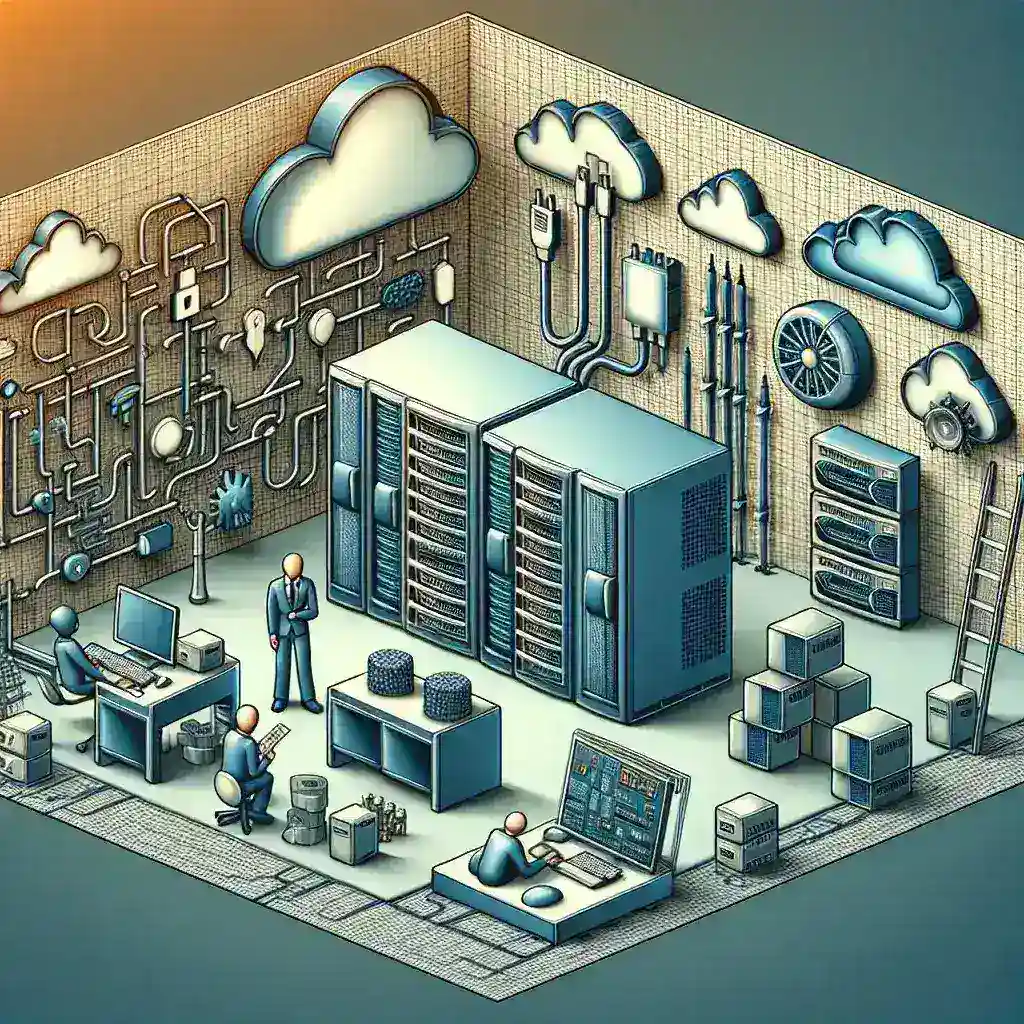
In today’s cybersecurity landscape, air-gapped environments have become increasingly critical for organizations handling sensitive data, government agencies, and industries requiring the highest levels of security. These isolated networks, completely disconnected from external networks and the internet, present unique challenges for infrastructure management. This comprehensive guide explores the essential tools and methodologies for effectively managing infrastructure across air-gapped environments.
Understanding Air-Gapped Infrastructure Challenges
Air-gapped environments create a security barrier by physically isolating critical systems from external networks. However, this isolation introduces significant operational complexities. Traditional cloud-based management tools become unusable, remote monitoring capabilities are limited, and software updates require manual intervention. Organizations must adopt specialized approaches and tools designed specifically for these constrained environments.
The primary challenges include limited connectivity for system updates, manual patch management processes, restricted monitoring capabilities, and complex deployment procedures. These obstacles demand innovative solutions that maintain security while ensuring operational efficiency.
Configuration Management Tools for Isolated Networks
Configuration management becomes particularly crucial in air-gapped environments where consistency and repeatability are paramount. Several tools excel in this domain:
Ansible for Air-Gapped Deployments
Ansible stands out as an exceptional choice for air-gapped infrastructure management due to its agentless architecture. The tool operates through SSH connections, eliminating the need for continuous internet connectivity. Organizations can create comprehensive playbooks that define entire infrastructure configurations, ensuring consistent deployments across isolated environments.
Key advantages include offline execution capabilities, idempotent operations, and extensive module libraries that can be bundled for offline use. Ansible Tower provides additional enterprise features including job scheduling, credential management, and detailed audit trails.
Puppet in Disconnected Environments
Puppet offers robust infrastructure automation capabilities suitable for air-gapped networks. The Puppet Enterprise platform can operate in disconnected mode, with agents pulling configurations from local Puppet masters. This approach ensures consistent state management across distributed air-gapped infrastructure.
Organizations benefit from Puppet’s declarative language, comprehensive reporting capabilities, and role-based access controls. The tool’s ability to manage complex dependencies makes it ideal for large-scale air-gapped deployments.
Container Orchestration in Isolated Environments
Containerization has revolutionized application deployment and management, and this technology proves equally valuable in air-gapped environments when properly implemented.
Kubernetes for Air-Gapped Operations
Kubernetes can be effectively deployed in air-gapped environments using specialized distributions and deployment methods. Tools like Rancher, OpenShift, and k3s offer air-gapped installation capabilities, allowing organizations to leverage container orchestration benefits while maintaining security isolation.
Critical considerations include private container registries, offline image management, and local DNS resolution. Organizations must establish comprehensive image scanning and vulnerability management processes to ensure container security without external dependencies.
Docker Registry Management
Private Docker registries become essential infrastructure components in air-gapped environments. Solutions like Harbor, Nexus Repository, and JFrog Artifactory provide comprehensive registry management with security scanning, access controls, and replication capabilities.
Infrastructure Monitoring and Observability
Monitoring air-gapped infrastructure requires self-contained solutions that operate without external dependencies. Organizations must implement comprehensive observability stacks that function entirely within isolated networks.
Prometheus and Grafana Stack
The Prometheus monitoring system, combined with Grafana for visualization, creates a powerful observability platform for air-gapped environments. This stack operates independently of external services, providing metrics collection, alerting capabilities, and comprehensive dashboards.
Organizations can implement federation architectures to aggregate monitoring data across multiple air-gapped sites while maintaining security boundaries. Custom exporters enable monitoring of specialized systems and applications specific to isolated environments.
ELK Stack for Log Management
Elasticsearch, Logstash, and Kibana form a comprehensive log management solution suitable for air-gapped deployments. This stack provides centralized log aggregation, real-time analysis capabilities, and powerful search functionality without requiring external connectivity.
Security and Compliance Tools
Security management in air-gapped environments demands specialized tools that operate without external threat intelligence feeds or cloud-based security services.
Vulnerability Management
Tools like Nessus, Rapid7 Nexpose, and OpenVAS can operate in offline modes, utilizing locally stored vulnerability databases. Organizations must establish processes for regularly updating vulnerability signatures through secure transfer mechanisms.
Patch management becomes particularly complex, requiring tools like WSUS for Windows environments or local repository mirrors for Linux systems. Automated testing environments help validate patches before production deployment.
Compliance Monitoring
Chef InSpec, AWS Config (for air-gapped AWS regions), and custom compliance frameworks help maintain regulatory compliance in isolated environments. These tools provide continuous compliance monitoring, automated remediation capabilities, and comprehensive audit trails.
Backup and Disaster Recovery Solutions
Data protection in air-gapped environments requires specialized backup and recovery tools that operate independently of cloud services.
Enterprise Backup Solutions
Solutions like Veeam Backup & Replication, Commvault, and IBM Spectrum Protect offer air-gapped deployment options with local storage targets. These platforms provide automated backup scheduling, deduplication capabilities, and granular recovery options.
Organizations must implement multiple backup tiers, including local storage, tape systems, and geographically separated backup sites to ensure comprehensive data protection.
Network Management Tools
Managing network infrastructure in air-gapped environments requires tools that provide comprehensive visibility and control without external dependencies.
Software-Defined Networking
SDN solutions like OpenDaylight, ONOS, and proprietary platforms from vendors like Cisco and VMware enable centralized network management in isolated environments. These platforms provide programmable network control, automated policy enforcement, and comprehensive network visibility.
Network Monitoring Solutions
Tools such as SolarWinds NPM, PRTG, and Nagios offer comprehensive network monitoring capabilities suitable for air-gapped deployments. These solutions provide real-time network performance monitoring, automated alerting, and detailed reporting capabilities.
Deployment and Orchestration Strategies
Successful infrastructure management in air-gapped environments requires carefully planned deployment strategies and orchestration tools.
Infrastructure as Code
Terraform, CloudFormation (for air-gapped cloud regions), and Pulumi enable infrastructure as code practices in isolated environments. These tools allow organizations to define infrastructure declaratively, ensuring consistent deployments, version control, and automated provisioning.
Organizations must maintain local copies of provider plugins and modules, implementing secure update mechanisms to keep infrastructure definitions current.
CI/CD Pipeline Management
Jenkins, GitLab CI/CD, and Azure DevOps Server provide comprehensive continuous integration and deployment capabilities for air-gapped environments. These platforms enable automated testing, secure artifact management, and controlled deployment processes.
Best Practices for Air-Gapped Infrastructure Management
Implementing effective infrastructure management in air-gapped environments requires adherence to specific best practices and operational procedures.
Security Considerations
Organizations must implement comprehensive access controls, regular security audits, and detailed logging mechanisms. Multi-factor authentication, privileged access management, and regular penetration testing help maintain security posture in isolated environments.
Operational Procedures
Establishing clear procedures for software updates, configuration changes, and incident response ensures consistent operations across air-gapped infrastructure. Regular training and documentation updates help maintain operational excellence.
Future Trends and Considerations
The landscape of air-gapped infrastructure management continues evolving with emerging technologies and changing security requirements. Organizations must stay informed about edge computing developments, advanced automation capabilities, and emerging security threats to maintain effective infrastructure management strategies.
Artificial intelligence and machine learning technologies are beginning to influence air-gapped infrastructure management, offering opportunities for predictive maintenance, automated anomaly detection, and intelligent resource optimization within security constraints.
In conclusion, managing infrastructure across air-gapped environments requires specialized tools, careful planning, and adherence to security best practices. Organizations that invest in appropriate tooling and operational procedures can maintain efficient, secure infrastructure while meeting the highest security requirements. The key lies in selecting tools that operate effectively in isolation while providing the comprehensive management capabilities necessary for modern IT infrastructure.
Leave a Reply